Conversion Rate Optimization for B2B: What Actually Moves the Number

@nadolconverts
Kacper Nadol
CRO for B2B is not the same problem as CRO for e-commerce or SaaS with short sales cycles. The buying process is longer, the decisions involve more people, and most of the standard optimization playbook does not transfer cleanly. This article covers what actually works in a B2B context and where most companies waste their optimization effort.
Why Standard CRO Advice Does Not Work for B2B
Most conversion rate optimization content is written with e-commerce or high-volume SaaS in mind. The frameworks assume thousands of daily sessions, short decision cycles, single buyers, and the ability to run A/B tests that reach statistical significance in a couple of weeks.
B2B buying looks nothing like that.
The typical B2B purchase involves multiple stakeholders, a sales cycle measured in weeks or months, significant switching costs, and a level of risk aversion that makes impulse conversion essentially impossible. A landing page for a $24,000 annual contract is not going to close the deal. It is going to either earn the next conversation or lose it. That is a completely different optimization target than getting someone to add something to a cart.
This distinction matters because it changes everything about how you approach the work. The metrics you track, the interventions you prioritize, the structure of the page, and the definition of a successful conversion are all different in a B2B context. Applying e-commerce CRO logic to a B2B page produces a well-optimized page for the wrong goal.
What Conversion Actually Means in B2B
Before optimizing anything, it is worth being precise about what you are actually trying to get the visitor to do and whether that action is realistic given where they are in the buying process.
The mistake most B2B companies make is defining conversion as the end goal rather than the next step. They optimize for "book a demo" when the visitor landing on the page has never heard of the company before and needs significantly more context before they will commit thirty minutes to a sales call. The result is a low conversion rate that gets blamed on the page when the real problem is the ask.
Strong B2B conversion thinking starts by mapping the realistic journey a buyer takes from first awareness to signed contract, and then identifying what the page can reasonably move them toward at each stage. For cold traffic, that might be downloading a guide, reading a case study, or signing up for a short email sequence. For warm retargeting traffic, requesting a demo is more appropriate. For someone who has already engaged with multiple pieces of content and visited the pricing page twice, a direct "talk to sales" CTA makes sense.
Optimizing the conversion action to match the visitor's readiness is often more impactful than any copy or design change on the page itself.
Where B2B Conversion Actually Breaks Down
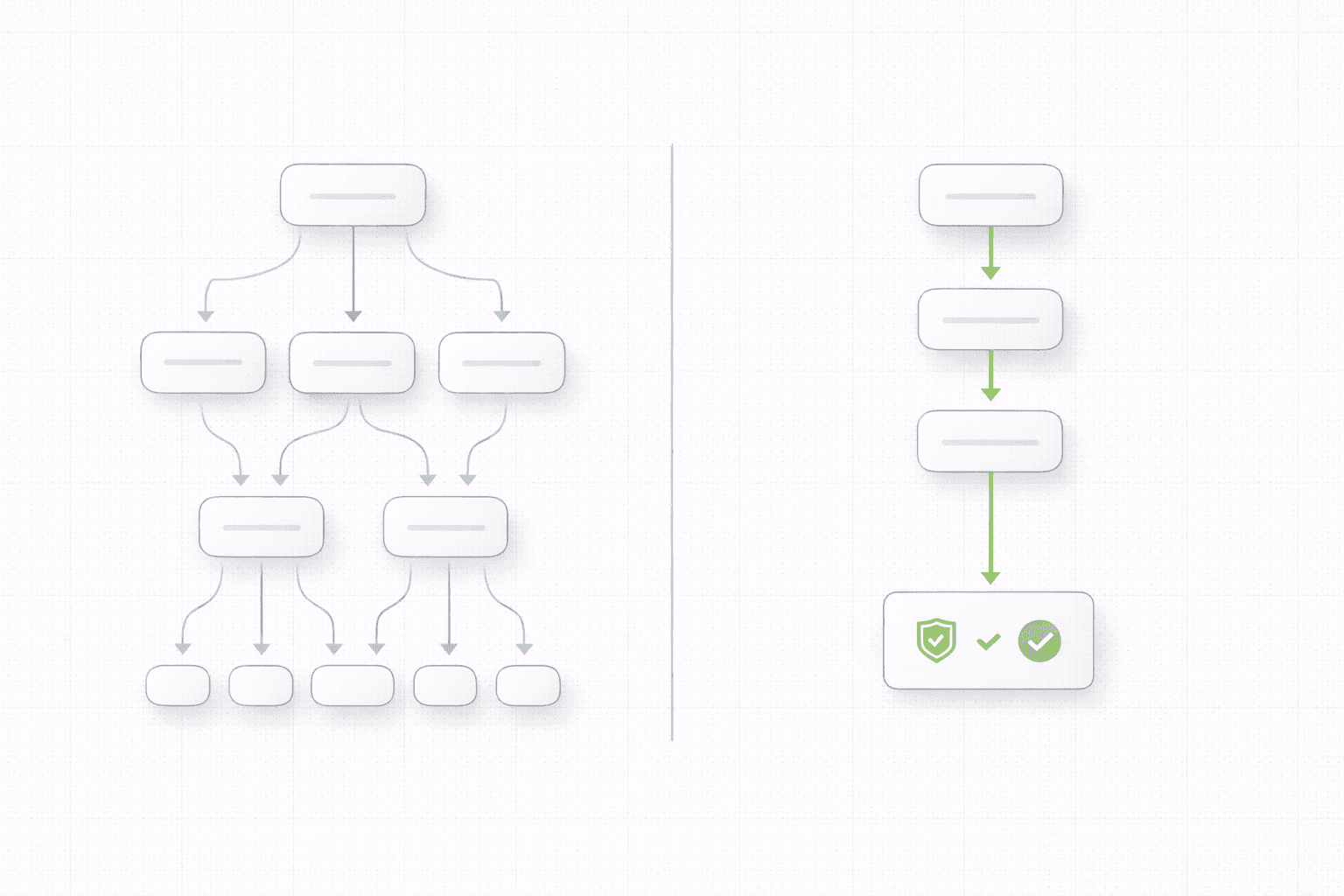
There are four places where B2B landing pages consistently lose qualified buyers. Knowing where the breakdown happens is more useful than a list of generic best practices.
The first screen fails to establish relevance. A B2B buyer landing on a page makes a very fast judgment about whether this is worth their time. If the headline is vague, the subheadline describes capabilities rather than outcomes, and nothing in the first frame speaks directly to their specific situation, they leave. Not because they are not interested in the category. Because the page gave them no reason to believe it was built for someone like them.
The fix is specificity in the hero. Name the role, the industry, the problem, or the goal. Make the right visitor feel immediately recognized and make everyone else self-select out. A page that speaks to everyone converts no one. This is the core of what we covered in the above the fold article: Above the Fold on a Landing Page: What It Is, Why It Matters, and How to Get It Right
The proof is present but not convincing. Logo grids and generic testimonials signal that the product exists and has customers. They do not answer the questions a serious B2B buyer is actually carrying. Who specifically has used this? In what situation? What changed? What was the measurable result?
Specific proof placed at the point of maximum relevance does conversion work. Decorative proof placed where it looks balanced does not. A case study that matches the visitor's industry, company size, and specific use case is worth ten generic testimonials.
The page raises questions it does not answer. B2B buyers come to a page with a set of pre-existing concerns. Pricing. Implementation complexity. Data security. Integration with existing tools. Contract terms. These concerns do not disappear because the page does not address them. They become friction that blocks conversion and gets resolved, if at all, only after a sales call that might never happen.
The pages that convert best in B2B address these concerns within the flow of the page rather than leaving them for the sales team. Not necessarily with full answers, but with enough information to reduce the hesitation and make the next step feel lower risk.
The CTA asks for too much too soon. A "book a demo" button is a significant commitment for someone who just landed on a page for the first time. It means thirty to sixty minutes of their time, a sales conversation they are not sure they are ready for, and the implicit acknowledgment that they are in a buying process. Many qualified buyers will not take that step at that moment even if they are genuinely interested.
Offering a lower-commitment next step alongside or instead of the demo request, something like a case study, a short video walkthrough, or a product tour, can capture buyers who are interested but not yet ready to talk to sales. These people are not lost leads. They are earlier-stage leads who need more information before they will commit.
The Right Metrics for B2B CRO
Conversion rate is a useful metric but it is not the only one that matters in a B2B context, and optimizing for it in isolation can produce misleading results.
A page that converts at 8% but produces leads that close at 3% is worse than a page that converts at 3% but produces leads that close at 35%. The first page is generating volume. The second page is generating pipeline. In B2B, pipeline is what matters.
This means B2B CRO needs to be tracked further down the funnel than just the conversion event. The metrics worth watching alongside conversion rate are lead quality score if your team uses one, sales qualified lead rate, demo show rate, and ultimately close rate and revenue from page-generated leads.
When optimization is tracked this way, interventions that improve conversion rate but hurt lead quality show up clearly and can be reversed. Interventions that improve both show up as genuine wins. Without this downstream view, it is easy to optimize a page into producing more of the wrong leads, which costs the sales team time and creates the impression that marketing is delivering volume without value.
The High-Leverage Interventions in B2B CRO
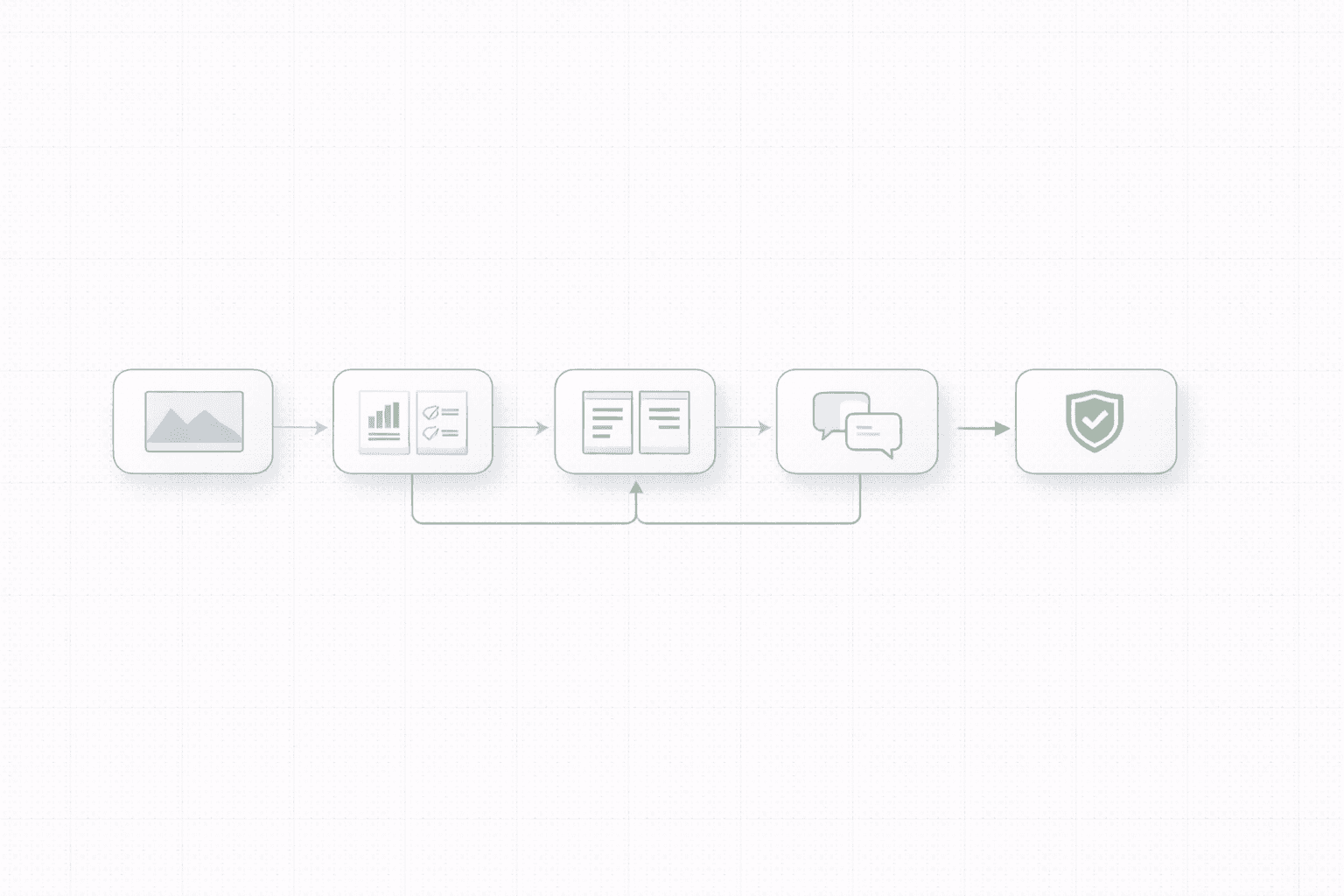
Given everything above, here is where the effort should actually go in a B2B optimization program, roughly in order of impact.
Messaging specificity. Rewriting the hero section to speak directly to one specific buyer in one specific situation is consistently the highest-leverage intervention on underperforming B2B pages. It is not a test. It is a strategic decision about who the page is for, executed in copy. The lift from getting this right is almost always larger than any button color test or layout change. The full framework for this is here: Landing Page Copywriting: What Actually Makes It Convert
Proof quality and placement. Replacing generic testimonials with specific, contextual ones and moving them to the point in the page where the relevant doubt is highest. This is not a design change. It is a content and architecture change, and it tends to produce meaningful conversion improvements without touching anything else on the page.
CTA calibration. Auditing whether the conversion action being asked for matches the realistic readiness of the visitor. Adding a secondary lower-commitment option for visitors who are not yet ready to talk to sales but are clearly interested. This does not dilute the primary CTA. It captures buyers who would otherwise leave.
Objection handling within the copy. Identifying the three to five most common pre-sale objections from sales call notes and addressing them explicitly within the relevant sections of the page. This reduces the questions that block conversion without requiring a sales call to resolve them.
Page speed and mobile experience. Not glamorous but consistently impactful. A page that loads slowly on mobile or breaks on certain devices is losing conversions that have nothing to do with messaging or structure. Fix the technical foundation before drawing conclusions from conversion data.
What B2B CRO Is Not
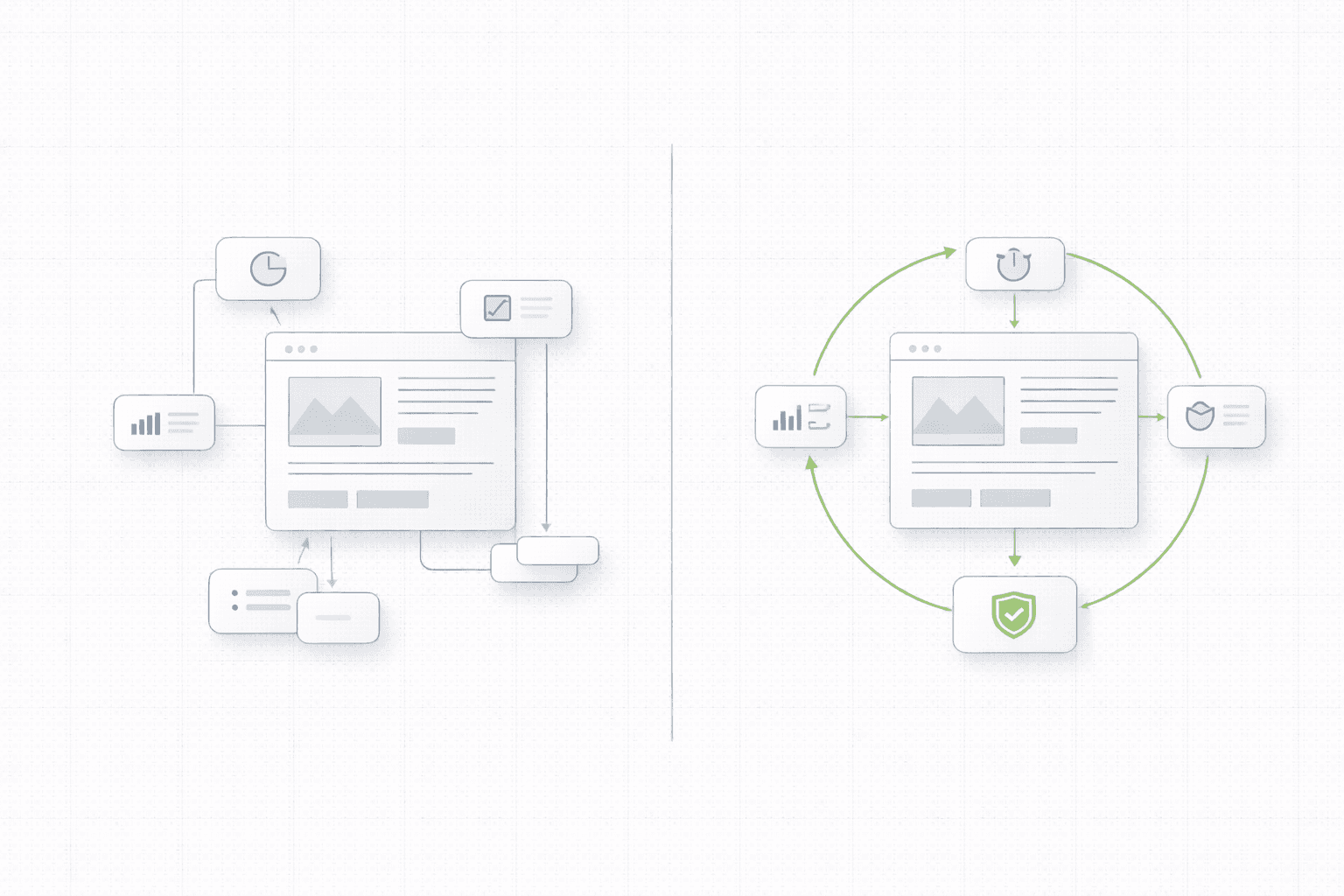
It is worth being direct about what B2B conversion rate optimization is not, because a lot of budget gets wasted on things that sound like optimization but do not move the number.
It is not redesigning the page because it looks dated. Visual refresh without strategic intent produces new-looking pages with the same conversion problems.
It is not running A/B tests on button colors or headline font sizes on pages with insufficient traffic to produce meaningful results. Low-traffic pages need qualitative diagnosis, not quantitative testing.
It is not adding more content to the page in the hope that more information will be more persuasive. B2B pages that underperform are almost never too short. They are usually too vague, too unfocused, or structured in the wrong order.
It is not changing the CTA copy from "submit" to "get started" and calling it optimization. CTA copy matters, but it matters far less than whether the conversion action itself is the right ask for the visitor at that moment.
Real B2B CRO is a diagnostic process. It starts with identifying specifically where and why qualified buyers are not converting, and then making targeted interventions to address those specific failure points. Everything else is activity that looks like optimization without being optimization. If you are not sure where your page is failing, that is exactly what the 48h Audit is designed to find out
The Short Version
B2B CRO works when it starts with an honest diagnosis of where qualified buyers are dropping off and why. The highest-leverage interventions are almost always in the messaging, the proof, and the conversion action being asked for, not in the visual design or the button copy.
Track it past the conversion event. Lead quality, sales qualified rate, and close rate tell you whether the optimization is actually working for the business, not just for the metric.
And resist the urge to run tests before the fundamentals are right. A page with a vague hero, generic proof, and an oversized CTA ask does not need A/B testing. It needs a rewrite.
Keep reading