How to Write a Landing Page Brief That Actually Gets You a Converting Page

@nadolconverts
Kacper Nadol
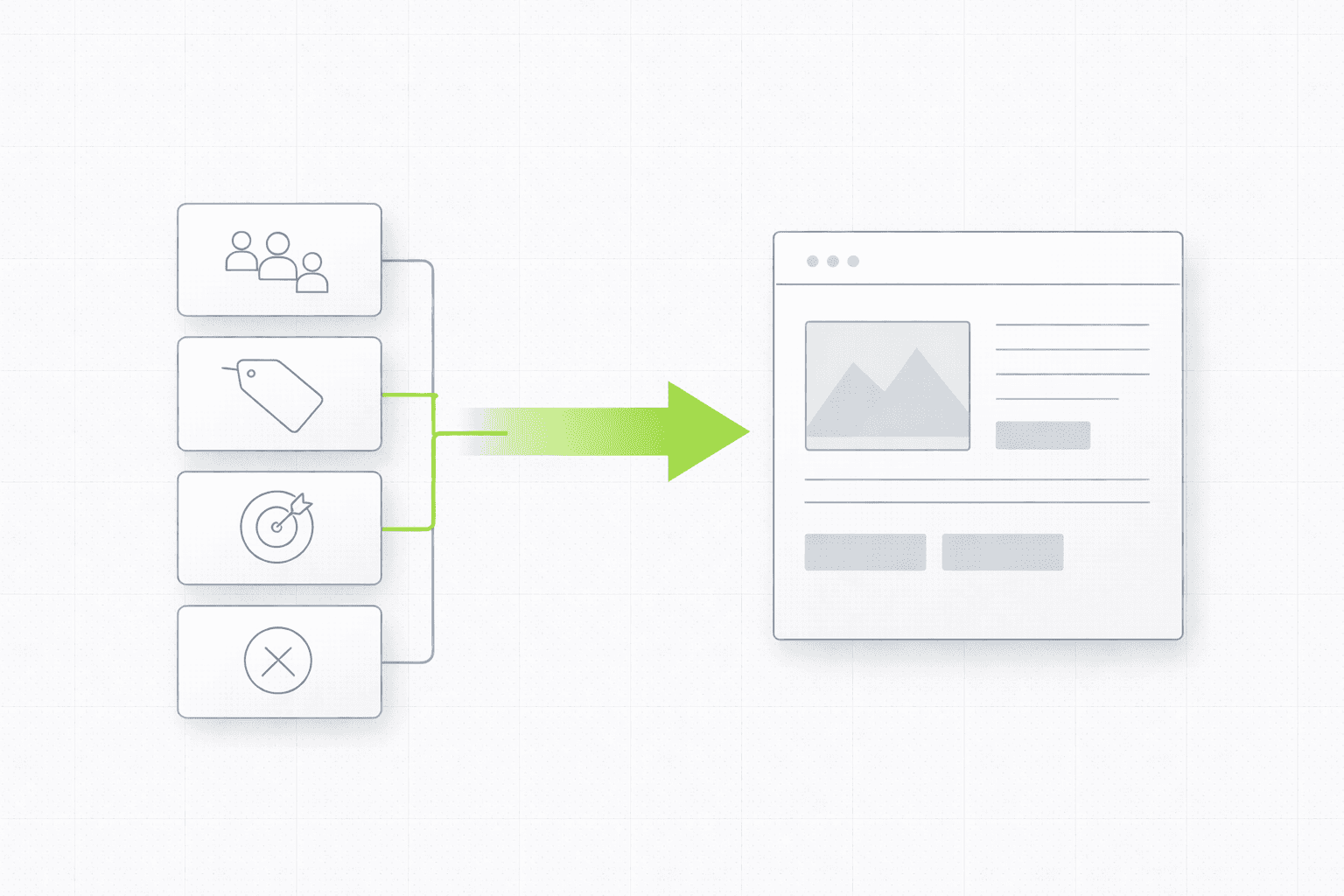
A weak brief produces a weak page, no matter how good the agency or freelancer is. This article walks through exactly what a landing page brief needs to include, why most briefs miss the most important parts, and how to set up any build for success before a single pixel gets placed.
Why the Brief Is Where Most Landing Pages Fail
By the time a landing page is live and underperforming, it is usually too late to trace the problem back to where it actually started. The design looks fine. The copy is reasonable. The build is clean. But the page is not converting, and nobody can quite explain why.
In most cases, the answer is in the brief. Or more precisely, in what the brief did not include.
A landing page brief is not a formality. It is the document that determines everything that follows. It tells the designer what hierarchy matters. It tells the copywriter who they are writing for and what that person needs to believe. It tells the developer what the page needs to do. When the brief is thin or vague, every subsequent decision gets made by whoever is doing the work based on their best guess. Sometimes those guesses are good. Often they are not. And by the time the page is built, changing the foundations is expensive.
The brief is where conversion is either set up or sabotaged. Most briefs sabotage it without realizing.
What a Weak Brief Looks Like
Weak briefs tend to share the same characteristics regardless of industry or company size.
They describe the product in detail but say almost nothing about the buyer. They list features that need to be communicated but do not explain what the buyer actually cares about or what problem they are trying to solve. They specify design preferences, brand colors, and reference sites without explaining the commercial context the page needs to operate in. They set a deadline and a budget without defining what success looks like.
The person writing the brief knows the product deeply and assumes that knowledge transfers. It does not. The agency or freelancer receiving the brief knows how to build pages but cannot read the buyer's mind. The gap between those two things is where bad landing pages come from.
A brief that says "we need a landing page for our project management tool, targeting operations teams, with a clean modern design" gives almost no useful information for building a page that converts. It tells the team what to build but not what the page needs to accomplish or who it needs to persuade.
What a Strong Brief Actually Includes
A clear description of the one person this page is built for.
Not a demographic. Not "SMB decision makers." A specific person in a specific situation with a specific problem. What does their day look like? What is frustrating them about the current solution they are using? What would make them feel like this page was written specifically for them? The more precisely you can describe this person, the better every subsequent decision gets made.
If your page needs to speak to multiple segments, that is important information too, but be honest about the trade-offs. A page that tries to speak to three different buyers simultaneously usually speaks to none of them convincingly. The brief should name the primary person and acknowledge any secondary audiences explicitly rather than letting that tension get resolved accidentally during the build.
The specific action the page needs to drive.
One action. Not "we want people to learn about us and maybe book a demo or sign up for a trial." One primary conversion goal that the entire page is built around. Everything else on the page is either supporting that goal or it should not be there.
The brief should also specify what happens after the conversion. Does the visitor land on a thank you page? Do they get an email? Does a sales rep follow up within twenty-four hours? This context shapes how the CTA is written and what the copy around it needs to address.
The main objections a qualified buyer would have.
This is the section most briefs skip entirely and it is one of the most valuable inputs a copywriter or strategist can receive. What are the three things a serious prospect would push back on before committing? What does the sales team hear most often when a deal does not close? What makes people hesitate even when the product is a good fit?
These objections need to be addressed somewhere on the page. Knowing them upfront means they get handled deliberately in the copy rather than ignored or discovered too late.
The competitive context.
Who else is the buyer considering? What do those alternatives offer? Where does this product or service win and where does it not? A landing page that ignores the competitive context produces copy that sounds like it was written in a vacuum. Buyers are not considering your page in isolation. They are comparing. The page needs to give them a reason to stop comparing.
Existing proof and what makes it credible.
What testimonials, case studies, or results are available? What specific numbers can be referenced? Which clients or logos carry the most credibility with the target buyer? Proof is not decoration on a landing page. It is a core conversion mechanism. The brief should treat it that way and supply it in as much detail as possible rather than leaving it to be assembled later.
The traffic source and temperature.
Where are visitors coming from when they hit this page? Cold paid traffic from a broad audience requires a very different page than warm retargeting traffic or a referral from a trusted partner. The page that works for one will underperform significantly for the other. The brief should specify this clearly so the copy and structure can be calibrated accordingly. This connects directly to how conversion rates need to be interpreted differently by traffic source: What Is a Good Conversion Rate for a Landing Page?
The Sections That Belong in Every Landing Page Brief
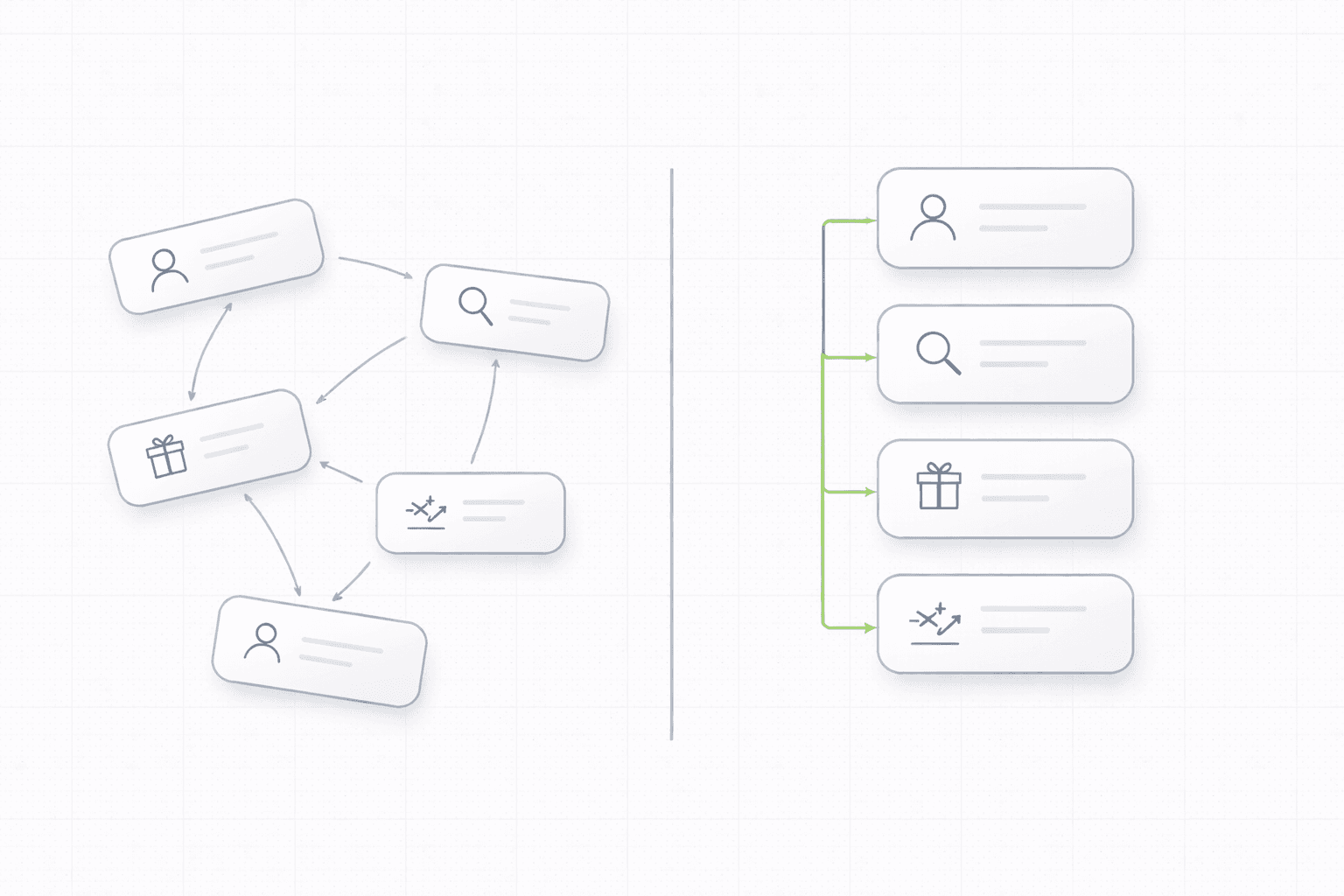
Rather than a loose collection of notes, a landing page brief works best as a structured document with consistent sections. Here is what that structure should look like.
Context and goal. One paragraph describing the commercial situation. Why is this page being built now? What is it replacing or supplementing? What does success look like in concrete terms, whether that is a conversion rate target, a lead volume, a cost per lead, or something else?
The buyer. A detailed description of the primary person this page is built for. Their role, their situation, their problem, and the language they use to describe it. Include direct quotes from customer interviews or sales calls if you have them. This section cannot be too detailed.
The offer. What specifically is being offered on this page? Not the product generally, but the specific thing the visitor is being asked to do or receive. Be precise about what the conversion action is and what it involves.
Key messages. The three to five things the page must communicate, ranked by importance. Not a feature list. The actual claims that would move a qualified buyer from skeptical to interested.
Objections to address. The main reasons a qualified buyer would hesitate, and any information or proof that addresses each one.
Proof assets available. Testimonials, case studies, logos, data points, credentials, awards. Include the actual content rather than just noting that testimonials exist.
Competitive differentiation. What makes this the right choice over the obvious alternatives, stated plainly.
Traffic source. Where visitors are coming from and what they already know when they arrive.
Design direction. Visual references, brand guidelines, things to avoid. Keep this section focused on what actually affects conversion rather than aesthetic preferences.
Technical requirements. Any integrations, form requirements, tracking needs, or platform constraints the build needs to account for.
How to Get the Information You Need to Write a Good Brief
For most companies, the best source of brief content is not the marketing team. It is the sales team and existing customers.
Sales reps hear objections every day. They know what makes prospects hesitate, what questions come up repeatedly, and what finally moves someone to sign. A thirty-minute conversation with a sales rep will produce more useful brief content than a week of internal brainstorming.
Customer interviews are even more valuable. The language a happy customer uses to describe why they chose you, what problem they were trying to solve, and what changed after they started using the product is the most persuasive copy available. It is specific, credible, and written from the exact perspective the page needs to speak from.
Review mining, support tickets, and community forums where your buyers discuss their problems are all additional sources. The goal is to collect the raw material of how real buyers think and talk, and then build the brief around that rather than around internal assumptions.
What to Do With the Brief Once It Exists
A brief is not a document you write and send. It is the foundation every subsequent decision gets made against.
Share it with everyone working on the page before any work begins. The copywriter, the designer, the developer. Make sure the brief is the shared reference point rather than individual conversations or scattered Slack messages. When a decision needs to be made during the build, the answer should come from the brief, not from whoever has the strongest opinion in the room.
Review the brief against the finished page before launch. Does the headline speak to the buyer described in the brief? Does the copy address the objections listed? Is the proof being used strategically or decoratively? Are there sections of the page that do not connect to anything in the brief? Those disconnects are worth resolving before the page goes live.
If you are working with an agency or studio, the brief is also how you evaluate the work. A page that is beautiful but does not reflect the brief is not a success. The brief defines what success looks like, which means it is the only honest basis for reviewing the output. When done right, the brief is what makes a project like Brandive produce the results it did: see the project
The Short Version
A landing page brief is not a formality. It is the document that determines whether the page that gets built has any real chance of converting.
The most important things to include are a precise description of the buyer, a single clear conversion goal, the main objections to address, the competitive context, and the proof available to support the claims. Everything else follows from those.
Write the brief before any design or copy work begins. Review the finished page against it before launch. Treat it as the shared reference point for every decision made during the build.
The quality of the brief almost always predicts the quality of the page.
Keep reading