When to Redesign Your Website: 7 Signs It's Actually Time (And 3 When It's Not)

@nadolconverts
Kacper Nadol
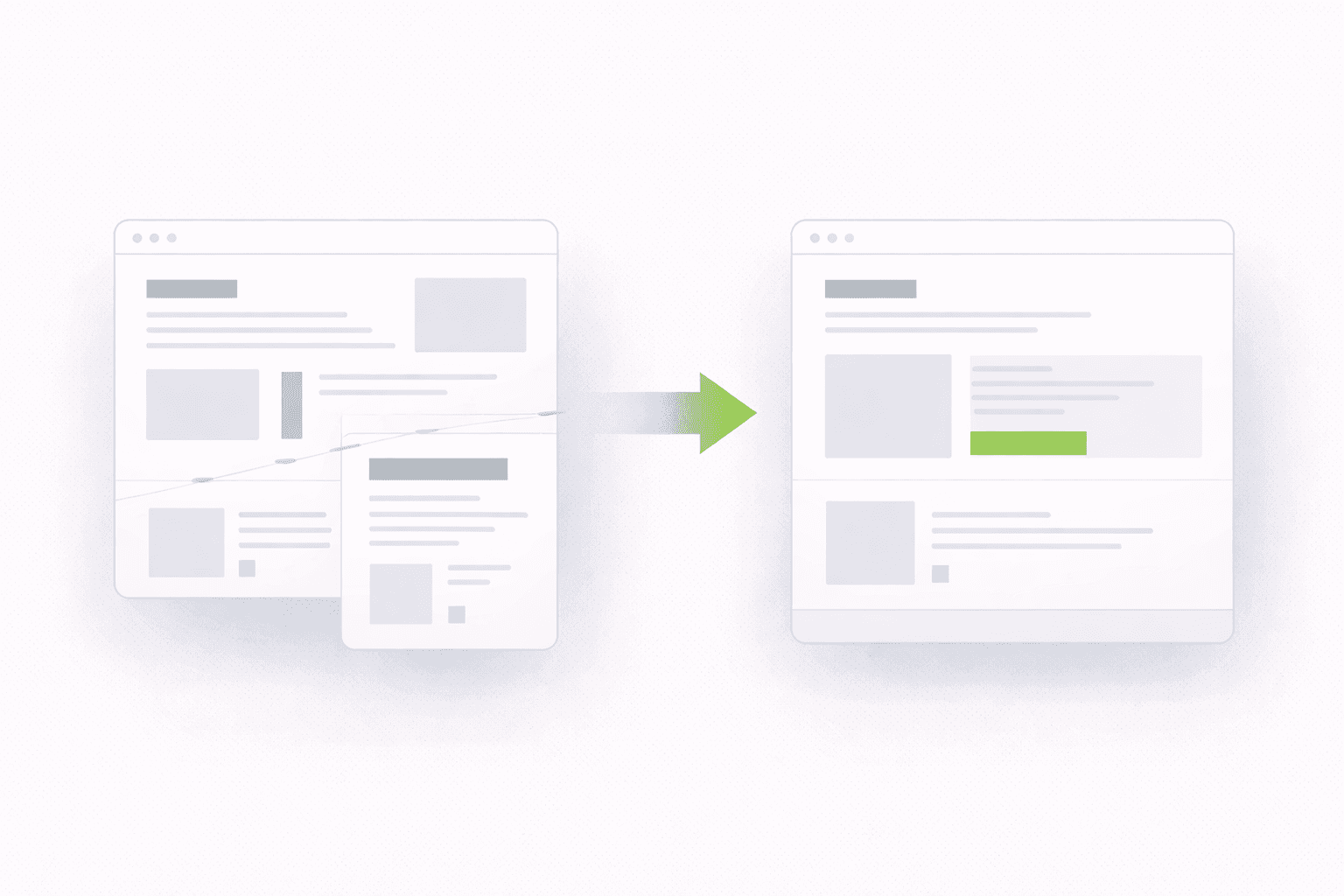
A redesign is expensive, disruptive, and time-consuming. It is also sometimes exactly the right move. The problem is most people either do it too late, for the wrong reasons, or skip it entirely when it would have paid for itself in three months. Here is how to actually tell the difference.
The Wrong Reason Most Redesigns Happen
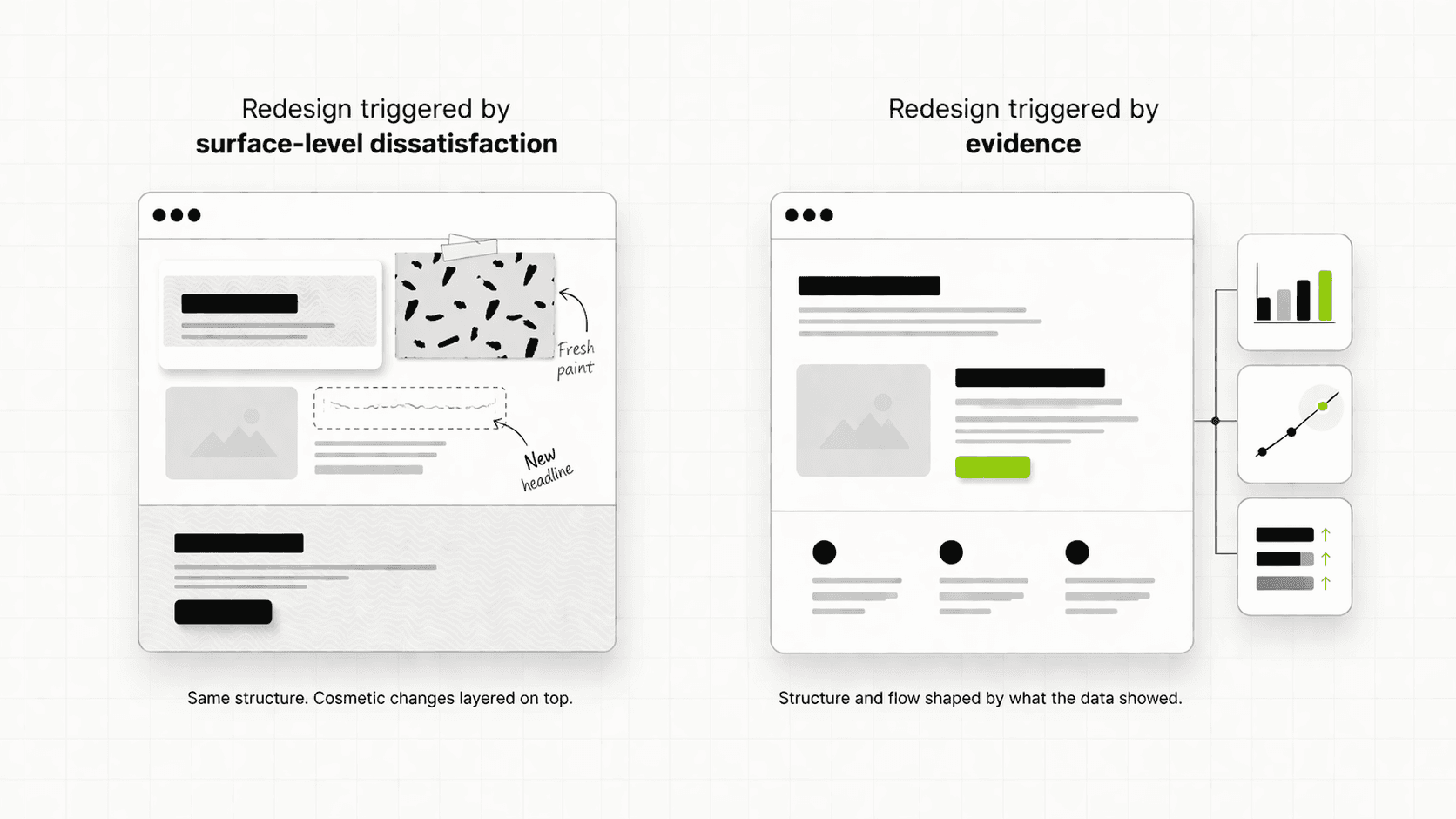
Most website redesigns are triggered by one of two things: someone senior got tired of looking at the current site, or a competitor launched something that looked newer and the panic set in.
Neither of these is a good reason to redesign.
Boredom is not a business case. Your visitors are not your team. They do not see the site every day, they do not have opinions about whether it feels fresh, and they do not care that you launched it three years ago. What they care about is whether the page answers their questions and makes the next step obvious. An older site that does that is worth more than a new site that does not.
Competitor envy is even worse as a trigger. A competitor's redesign tells you nothing about whether their new site performs better. It tells you they spent money on something that looks different. That is not data.
A redesign should be triggered by evidence, not aesthetics. The question is never "does this feel dated." The question is "is this site costing us leads, customers, or credibility in ways we can actually measure or diagnose."
When It Actually Is Time to Redesign
Your messaging no longer reflects what you do or who you serve.
This is the most legitimate reason to rebuild and the one most people underestimate. Companies evolve. The product changes, the ICP shifts, the positioning gets sharper, and the website stays frozen in an older version of the business. At some point the gap between what the site says and what the company actually is becomes a real liability.
When a serious prospect lands on your homepage and the language feels off, the use cases do not match their situation, or the positioning reads like a company you used to be rather than the company you are now, you are losing deals before the conversation even starts. A rebrand or repositioning almost always requires a rebuild because the old structure was designed around the old message.
Your conversion rate is consistently low and structural fixes have not moved it.
If you have already looked seriously at your messaging, your CTA placement, your proof, and your page structure, and the numbers are still not there, sometimes the issue is architectural. The page was built with a logic that does not match how your buyers actually move through information. You can patch individual sections, but the underlying flow is wrong.
This is different from a page that just needs copy work or a better hero. This is a page where the whole argument is assembled in the wrong order, the wrong sections exist, and the right sections are missing. At that point, iterating on top of the existing structure is slower and more expensive than rebuilding with a clear conversion brief. Before you get there though, it is worth ruling out the fixable things first: Website Redesign Checklist: What to Fix Before You Rebuild Anything
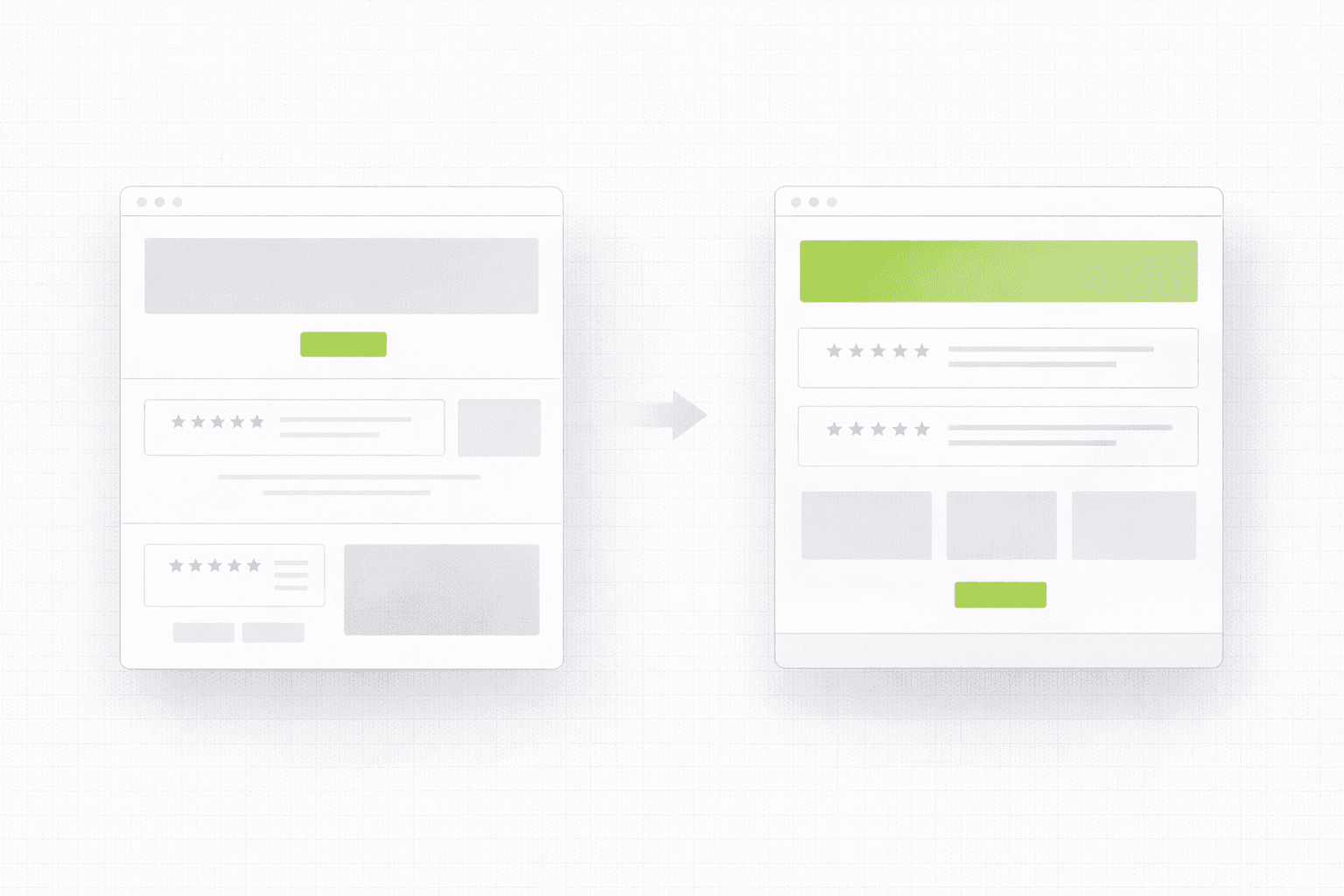
The site is technically broken in ways that are hurting performance.
Slow load times, broken mobile layouts, forms that do not work reliably, pages that render incorrectly on certain browsers. These are not cosmetic problems. Page speed directly affects both SEO rankings and conversion rates. A one-second delay in load time can meaningfully reduce conversions on high-intent pages. If the technical debt has accumulated to the point where fixing individual issues costs more than rebuilding properly, that is a real business case for a redesign.
You are about to run serious paid traffic and the current site cannot support it.
Spending money on ads to send traffic to a page that is not built to convert is one of the most common and most avoidable ways to waste a marketing budget. If you are planning a paid acquisition push and you know the current site has real problems, fix the site first. The math is simple: a better page makes every ad dollar work harder. If you are weighing whether to fix the current page or build something new for the campaign, this is the right read first: Landing Page vs Website Redesign: What to Build First (If You Want Leads Soon)
Your sales team is consistently having to explain or apologize for the website.
This one is easy to miss because it shows up in sales conversations, not analytics. But when your reps are regularly saying things like "ignore the website, let me just walk you through it" or prospects are coming to calls with confusion about what you actually do, the site is actively working against your sales process. A website should be making your sales team's job easier, not creating extra work before the first call even happens.
You are entering a new market or going upmarket.
Selling to enterprise buyers when your site looks like it was built for SMBs is a credibility problem before you even get to the proposal stage. Buyers at larger companies make quick judgments about vendor maturity based on how the site looks and reads. If your growth strategy requires you to be taken seriously at a higher level, the site needs to reflect that. This is one of the clearest cases where design investment has a direct commercial return.
The site cannot be updated without a developer.
If adding a new case study, updating a pricing page, or changing a headline requires a ticket to an external developer and a three-day wait, the site is a bottleneck. Modern no-code tools like Framer make it completely reasonable to have a high-quality site that a non-technical team member can update in minutes. If your current setup does not allow that, the operational cost of keeping it is higher than it looks.
When It Is Not Time to Redesign
This matters just as much. A lot of redesigns happen when the real problem is something smaller and more fixable.
You are bored of the design but the site is converting.
If your pages are generating qualified leads at a reasonable rate and your sales team is not complaining about it, leave it alone. Disrupting a site that works to make it look newer is a risk with no obvious upside. Design fatigue is real but it is an internal problem, not a customer problem.
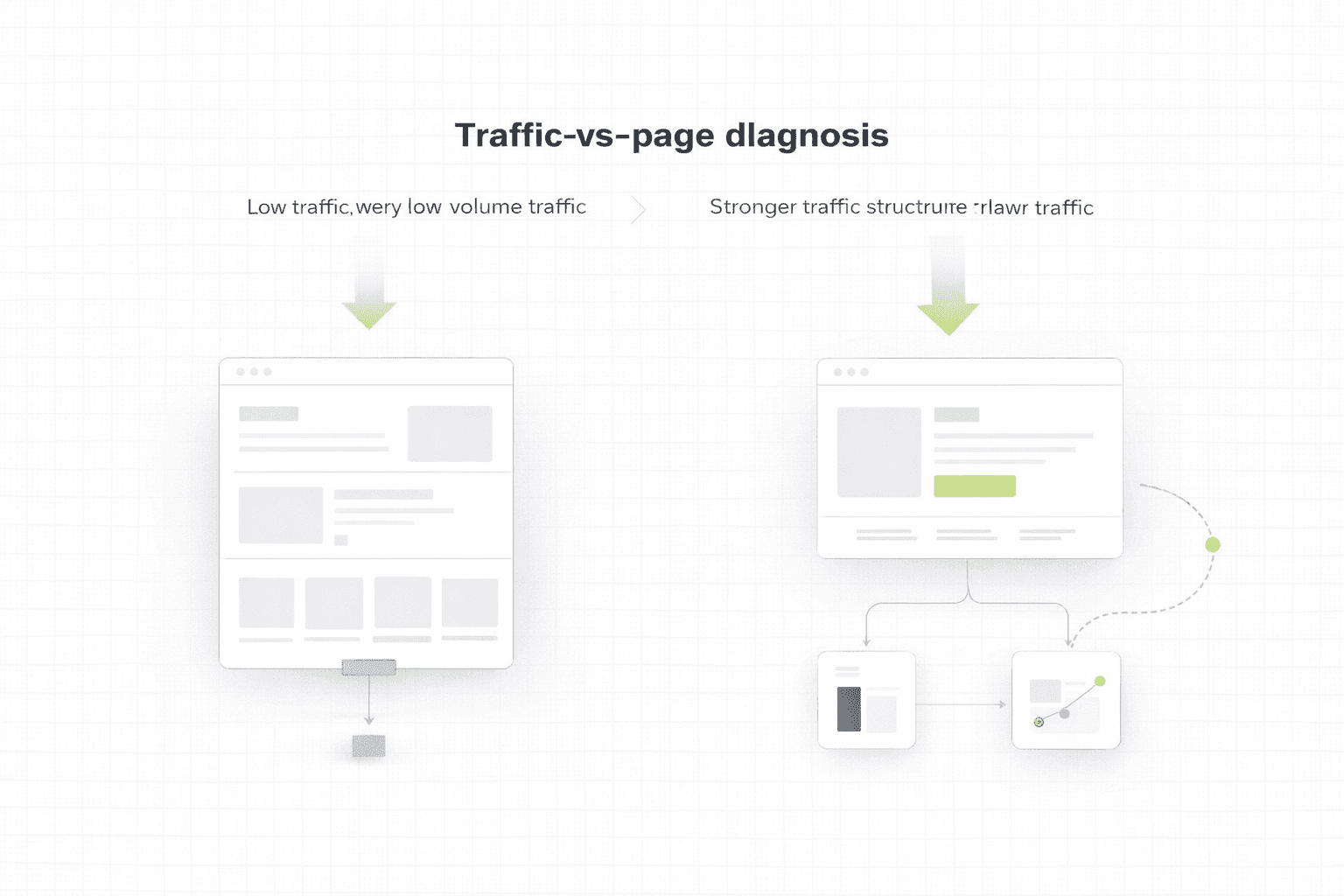
The traffic is the problem, not the page.
A site cannot convert visitors it does not have. If your lead volume is low because your SEO is thin, your paid campaigns are not targeted, or your referral channels are not working, rebuilding the site will not fix that. Traffic problems need traffic solutions. Before concluding the site is broken, make sure you are sending it enough of the right visitors to form a real conclusion. This is exactly what this covers: How to Improve Website Conversion Rate Without More Traffic
You just need better copy or a clearer CTA.
Sometimes the site structure is fine and the problem is purely in the words. A homepage hero that is vague, a CTA that says "learn more," a features section that leads with capabilities instead of outcomes. These are copy problems. They do not require a redesign. They require someone to rewrite the right sections with a clear understanding of who is reading them and what they need to believe before they act.
Before You Commit to a Redesign
If you have read through the signs above and you are still not sure whether a full rebuild is the right move, the most useful thing you can do before spending five figures on a redesign is get a clear picture of what is actually broken.
A structured audit will tell you whether the issues are fixable within the current site or whether the problems are deep enough that a rebuild is genuinely the more efficient path. That distinction is worth knowing before you start briefing agencies. See how the 48h Audit works
The goal is not to redesign. The goal is to have a site that generates leads, supports your sales team, and reflects the business you actually are. Sometimes that requires a full rebuild. Sometimes it requires three weeks of focused copy and structure work. The answer depends entirely on the diagnosis.
Keep reading