Website Conversion Audit: What It Is, What It Covers, and Whether You Need One

@nadolconverts
Kacper Nadol
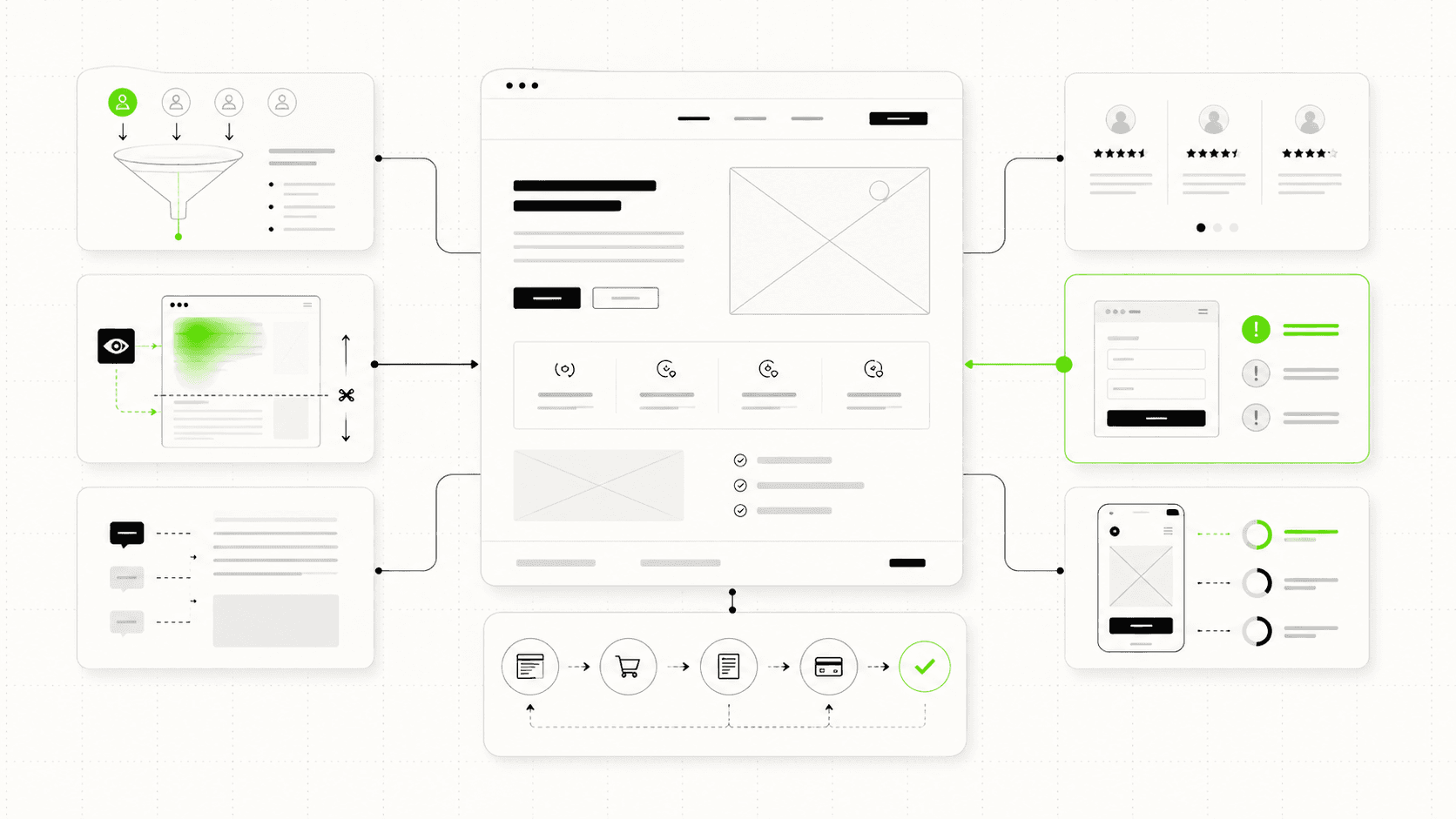
A conversion audit is not a list of generic recommendations. Done properly, it is a diagnostic process that identifies the specific reasons a website or landing page is underperforming and tells you exactly what to fix first. This article explains what a real audit covers, what it produces, and how to know if it is the right next step for your situation.
Why Most Websites Never Get Properly Diagnosed
When a website underperforms, the typical response is one of two things. Either something gets changed based on instinct, a new headline here, a different CTA there, a visual refresh if the frustration is high enough. Or the problem gets acknowledged and quietly moved down the priority list while traffic keeps running through a page that is quietly losing leads every day.
Neither of these is a diagnosis. Both are expensive in different ways.
The instinct-driven approach produces changes that may or may not address the actual problem. Sometimes they help. More often they move the page sideways rather than forward and make it harder to understand what is actually causing the underperformance because multiple things are changing at once.
The avoidance approach has a simpler cost structure. Every day a page underperforms is a day of potential leads that did not convert. For pages with real traffic behind them, that cost accumulates faster than most teams track it.
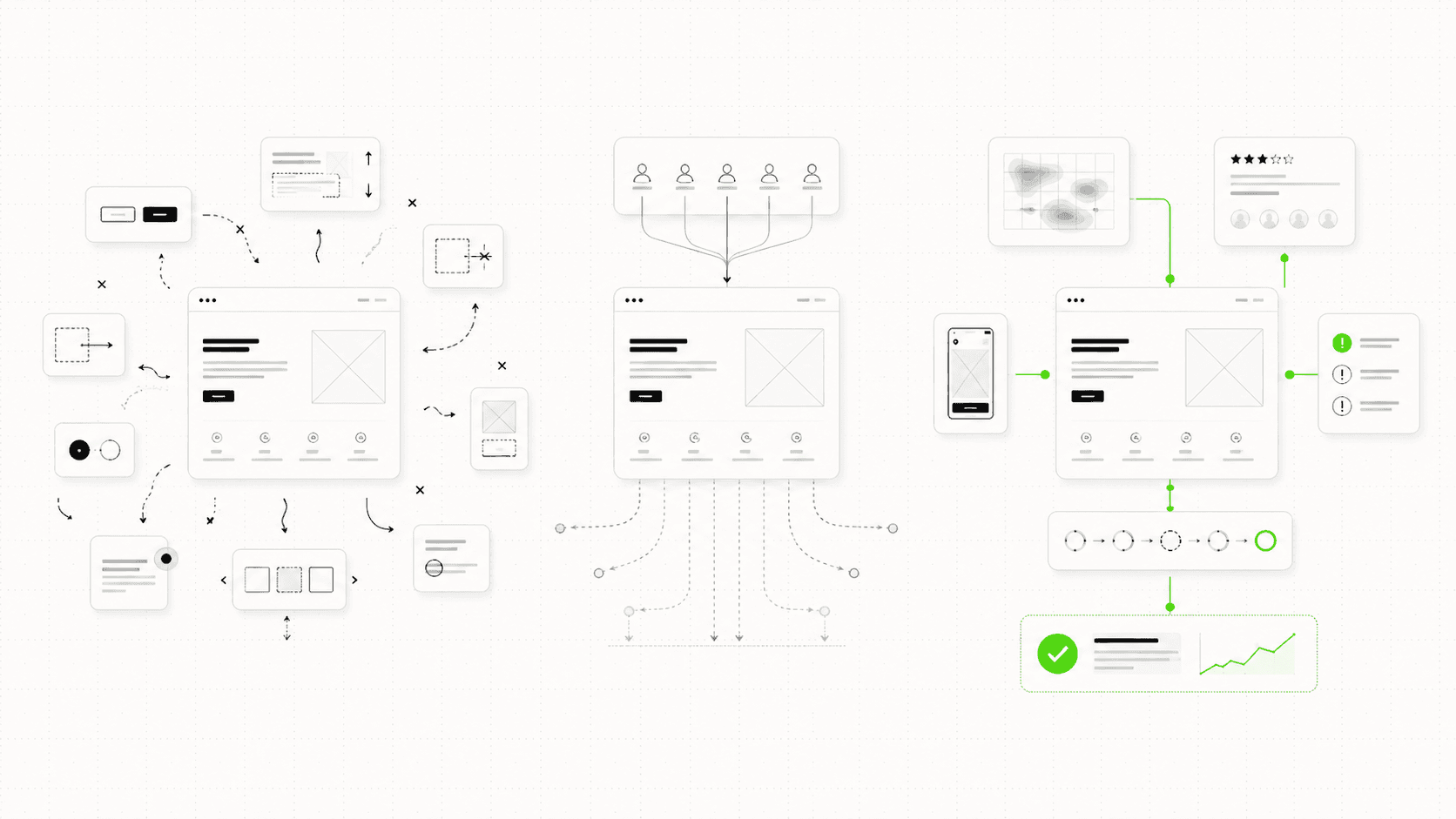
A proper conversion audit interrupts both of those patterns by providing something neither instinct nor avoidance can: a clear, specific, evidence-based picture of what is broken and why.
What a Conversion Audit Actually Is
A conversion audit is a structured diagnostic process applied to a website or landing page with the goal of identifying the specific failure points that are preventing conversion.
It is not a list of best practices applied generically. It is not a design critique. It is not an SEO review, a technical performance report, or a user experience evaluation in the academic sense. All of those things may surface useful information, but they are not conversion audits.
A conversion audit looks specifically at the commercial argument the page is making and evaluates whether that argument is working for the specific visitor the page is built for. It asks: who is landing on this page, what do they need to believe before they will convert, and is the page building those beliefs effectively? Where is the argument breaking down? At what specific point is the visitor losing momentum? What is the most likely cause of that breakdown and what would fix it?
The output of a proper audit is not a report full of observations. It is a prioritized list of specific interventions with the reasoning behind each one. The most useful audit tells you not just what is wrong but what to fix first, because most underperforming pages have multiple issues and fixing them in the wrong order wastes time and produces confusing results.
What a Good Conversion Audit Covers
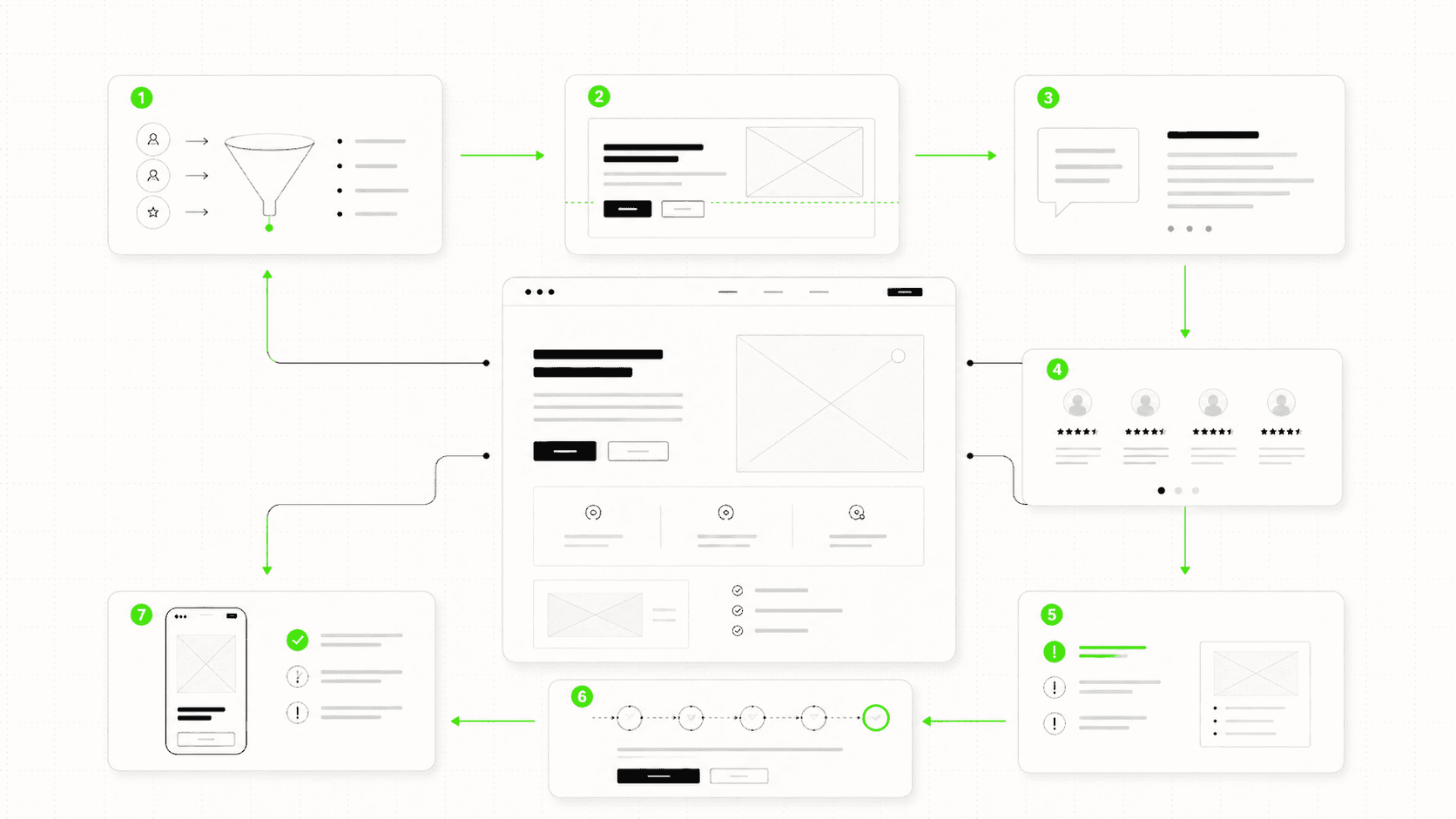
A thorough conversion audit works through several layers of the page, each building on the one before it.
The traffic and intent layer. Before looking at the page itself, a good audit considers who is actually landing on it. Where is the traffic coming from? What did the visitor search for or click before arriving? What is their level of awareness and intent when they land? A page that is well-built for warm retargeting traffic will look broken when evaluated against cold paid traffic. Understanding the visitor before evaluating the page prevents misdiagnosis.
The first screen. The above-the-fold section is where the audit starts, because it is where the page wins or loses most of its visitors. Does the headline establish immediate relevance for the right person? Does the subheadline add information rather than repeat the headline? Is the CTA visible and clear? Is there anything in the first frame that creates confusion or dilutes the primary message? The full framework for what the first screen needs to accomplish is here: Above the Fold on a Landing Page: What It Is, Why It Matters, and How to Get It Right
The messaging and copy. Does the page lead with outcomes or features? Does it speak to the visitor's experience or the product's capabilities? Is it specific enough to create relevance or generic enough to apply to anyone? Does the copy build a logical argument through the page or does it present information without a clear through-line? The principles behind conversion-focused copy are covered in detail here: Landing Page Copywriting: What Actually Makes It Convert
The proof architecture. Is there proof on the page? Is it specific and contextual or generic and decorative? Is it placed where the relevant doubt is highest or where it looks visually balanced? Does it speak to the target visitor's situation or to a different kind of buyer entirely?
The friction points. Where on the page does a visitor encounter something that slows them down, creates confusion, or raises a question the page does not answer? Form fields that feel premature. Navigation choices that pull attention away from the primary goal. Pricing information that creates more questions than it resolves. CTAs that are visible but not compelling. Each of these is a friction point with a specific fix.
The conversion architecture. Is there one clear primary action the page is built around, or does the visitor face competing choices at the moment of decision? Is the CTA asking for an appropriate level of commitment given where the visitor realistically is after reading the page? Is the copy immediately surrounding the CTA reducing the final hesitation or ignoring it?
The mobile experience. Does the page work as a conversion surface on a phone, or does the mobile version break the hierarchy, bury the CTA, or create layout problems that kill momentum? Mobile is not a secondary consideration for most pages. It is often the primary surface for a significant portion of the traffic.
What a Conversion Audit Is Not
This matters because a lot of things get sold under the audit label that are not actually diagnostic processes.
A conversion audit is not an SEO audit. SEO audits look at technical structure, keyword coverage, backlink profiles, and search visibility. These are useful but they do not tell you why the visitors who are already arriving are not converting.
A conversion audit is not a heuristic evaluation checklist. Applying a generic list of best practices to a page and noting where it fails to follow them produces observations, not diagnosis. The relevant question is not "does this page follow best practice X" but "is this specific page failing to convert this specific visitor for this specific reason."
A conversion audit is not a redesign recommendation. A proper audit may conclude that certain structural changes are needed, but it should identify the specific problems first and recommend interventions proportionate to those problems. An audit that automatically recommends a full redesign regardless of what it finds is not a diagnosis. It is a sales process. The question of when a redesign is actually warranted is covered here: When to Redesign Your Website: 7 Signs It's Actually Time
A conversion audit is not a report full of screenshots with annotations. Notes pointing out individual elements without connecting them to a coherent diagnosis of why the page is underperforming are observations, not findings. The value of an audit is in the synthesis, the identification of the underlying cause rather than the surface symptoms.
Who Actually Needs a Conversion Audit
Not every website needs a formal audit, and it is worth being honest about when it is and is not the right tool.
A conversion audit makes the most sense when there is meaningful traffic running through a page that is underperforming. If a page is getting fewer than a few hundred sessions a month, the audit will identify problems but the traffic volume is too low to measure the impact of fixes reliably. In that situation, the higher-leverage work is usually improving traffic quality and volume before optimizing the page itself.
It makes sense when the page has been tweaked multiple times without clear improvement, and nobody can agree on what is actually causing the underperformance. An audit breaks that deadlock by providing an external, evidence-based diagnosis rather than another round of internal debate.
It makes sense before a significant paid traffic investment. Spending five figures a month on ads to send traffic to an undiagnosed page is one of the most reliable ways to waste a marketing budget. Understanding what the page is and is not doing before turning on the spend makes every ad dollar more efficient.
It makes sense before a redesign. A rebuild based on a clear diagnosis of what was wrong with the previous page will produce better results than a rebuild based on frustration with the current one. The audit tells you what to fix. The redesign fixes it. Why diagnosing before rebuilding matters is the core argument here: Why Your Website Gets Traffic But No Leads
What Happens After the Audit
The audit is not the end of the process. It is the beginning of the right process.
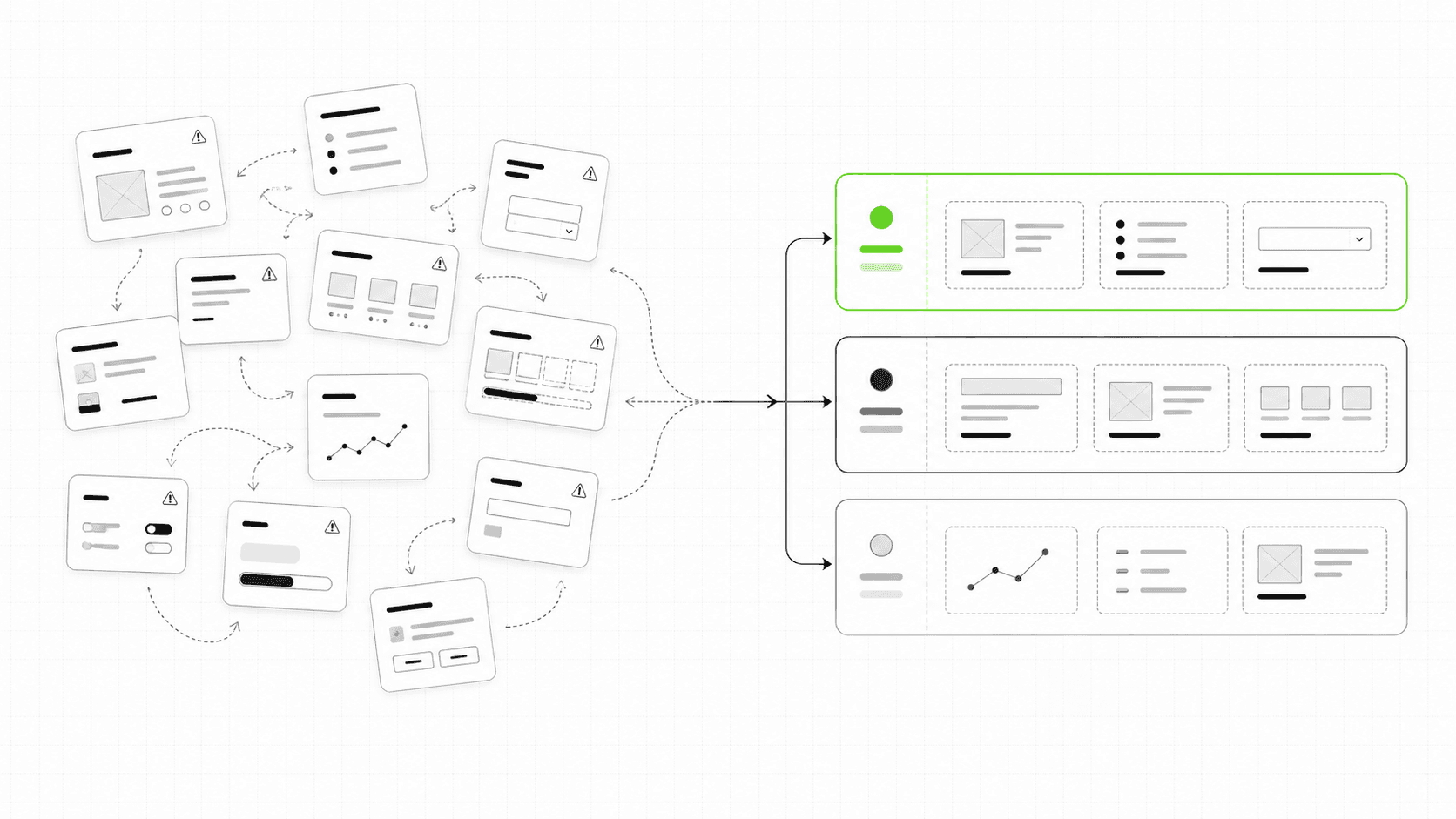
The output should be a clear set of prioritized interventions with the reasoning behind each one. Some of those interventions will be small and executable immediately. Rewriting the headline. Adjusting the CTA copy. Moving a testimonial to a more strategically relevant position. These changes can often be made and measured within days.
Others will be more structural. A section that needs to be rebuilt around a different argument. A page that needs a different conversion architecture. A messaging approach that needs to start from a different understanding of the buyer. These take longer but produce proportionally larger results when executed properly.
The audit tells you which category each problem falls into and what to tackle first. That prioritization is often as valuable as the diagnosis itself, because the temptation after identifying multiple problems is to fix everything at once, which makes it impossible to know what is actually moving the number.
The Short Version
A conversion audit is a diagnostic process, not a report full of generic observations. It identifies the specific reasons a page is underperforming and tells you what to fix first.
It covers the traffic and intent context, the first screen, the messaging and copy, the proof architecture, the friction points, the conversion mechanics, and the mobile experience. Each layer builds on the one before it.
The output is a prioritized set of specific interventions with reasoning behind each one. Not a design wishlist. Not a best-practices checklist. A clear picture of what is broken and what fixing it looks like.
That clarity is worth more than another round of instinct-driven tweaks.
Keep reading